- performance A13 Bionic on iPhone 11 Still capable for everyday use; 4 GB RAM, 64/128/256 GB storage without microSD.
- Dual rear camera 12 MP (wide + ultra-wide) support Night Mode; there is no telephoto lens for long optical zoom.
- 3,110 mAh with 18W fast charging and wireless charging; drawbacks: 60Hz IPS display, no 5G, Lightning port, no latest iOS update.
iPhone 11 Specs: Design, Camera, Battery, and Cons
The iPhone 11 is still one of Apple's most sought-after smartphones, even though it was released in 2019. This phone offers the performance of the A13 Bionic chipset, dual 12MP cameras, and a premium design that is characteristic of Apple products. It's no wonder the iPhone 11's specifications still attract attention, especially for those of you who want to buy an iPhone at a more affordable price.
Before deciding to buy, there are several things you need to know about this device. These include screen quality, storage capacity, camera capabilities, and battery life. Furthermore, the iPhone 11 also has several drawbacks that you should consider to ensure you make the right choice.
Design, Screen, and Storage
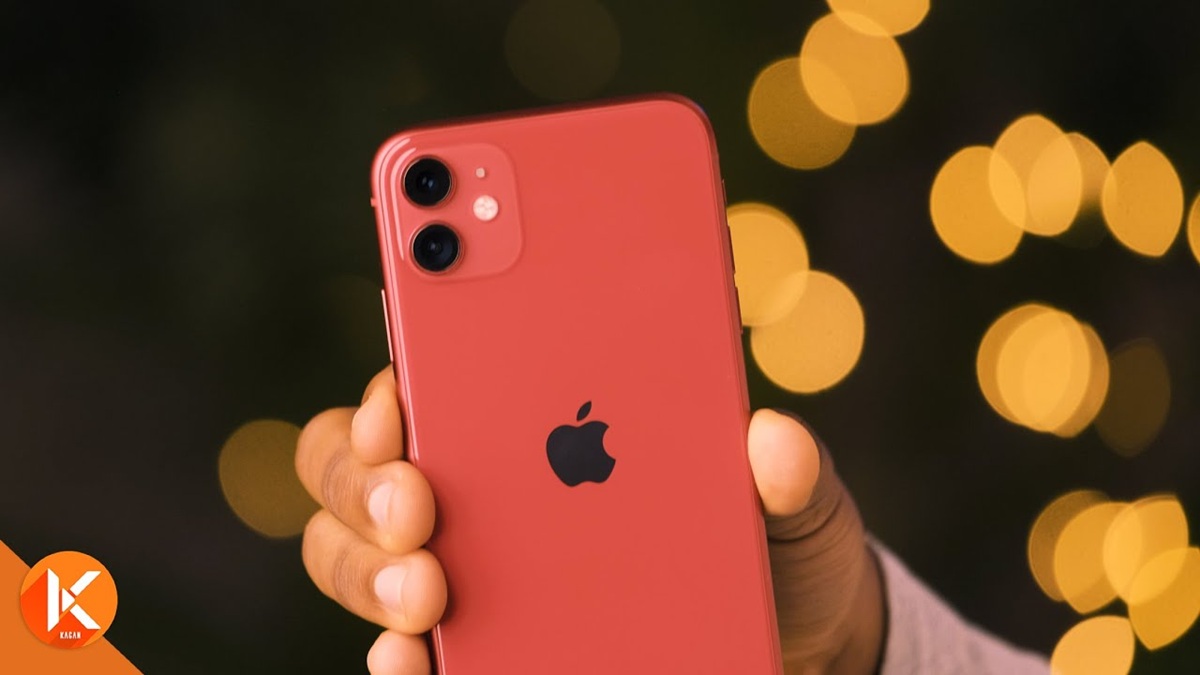
In terms of appearance, the iPhone 11 features a premium design that combines an aluminum frame and a glass front and back. The device measures 150.9 x 75.7 x 8.3 mm and weighs approximately 194 grams.
Apple also provides IP68 certification, so this cellphone is water resistant to a depth of 2 meters for 30 minutes under certain test conditions.
For its display, the iPhone 11 uses a 6.1-inch Liquid Retina IPS LCD panel. Its resolution reaches 1792 x 828 pixels with a density of around 326 ppi. The screen has a 60Hz refresh rate and a maximum brightness level of 625 nits, making it comfortable for various activities, such as browsing, watching videos, and even using social media.
Moving on to performance, the iPhone 11 is powered by the Apple A13 Bionic chipset, manufactured in 7nm+. This chipset features a 6-core CPU, 4-core GPU, and an 8-core Neural Engine to support artificial intelligence processing. This combination ensures sufficient performance for running a variety of everyday applications.
Apple also offers 4GB of RAM with three internal storage options: 64GB, 128GB, and 256GB. However, it's important to note that the iPhone 11 doesn't have a microSD card slot. So, you'll need to consider storage capacity from the outset.
Also read:
- iPhone 18 Pro Max Specifications, Advantages, and Disadvantages
- What is the mAh capacity of the iPhone 15 battery and how long does it last?
- The Latest iPhones for 2026: These Are the Models and Specifications
Camera, Battery, Charging, and Network

In terms of photography, the iPhone 11 is equipped with dual rear cameras consisting of a wide-angle lens and an ultra-wide-angle lens. Both cameras support everyday photography needs, from capturing landscapes to capturing objects with a wider angle.
Meanwhile, the battery capacity reaches 3,110 mAh. The iPhone 11 supports 18W fast charging technology, which is claimed to be able to charge up to 50 percent in about 30 minutes using a 20W or higher adapter. It also features wireless charging, allowing for wireless charging.
For connectivity, the iPhone 11 still relies on 4G LTE networks and does not yet support 5G. This device uses a combination of Nano-SIM and eSIM. Other connectivity features include Wi-Fi 6 (802.11ax), Bluetooth 5.0, NFC, GPS, and stereo speakers for a better audio experience.
Disadvantages of the iPhone 11
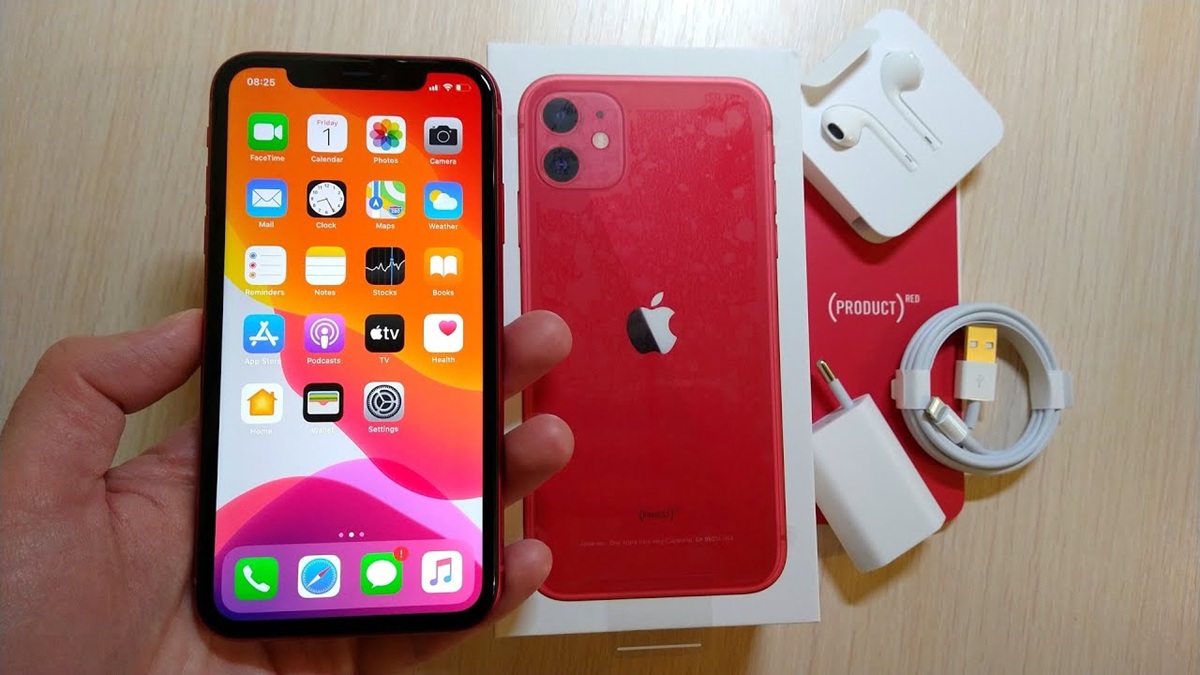
Despite its reliable performance, the iPhone 11 isn't without its drawbacks. Here are some things you should consider before purchasing this smartphone.
1. The screen is still IPS LCD, not OLED or AMOLED
One of the iPhone 11's shortcomings lies in its display technology. Apple still uses a Liquid Retina IPS LCD panel with a resolution of 1792 x 828 pixels. While the display quality is quite good, the blacks and contrast levels aren't as deep as OLED or AMOLED displays.
2. Doesn't Have a Telephoto Lens
The iPhone 11 only has two rear cameras: a wide-angle lens and an ultra-wide-angle lens. This means it lacks a telephoto lens for long-range optical zoom. If you frequently photograph subjects from a distance, this limitation may be quite noticeable.
3. Base Storage Capacity Only 64 GB
The cheapest iPhone 11 variant has 64 GB of internal storage. This capacity may feel limited for current needs, especially if you frequently download apps, take photos, and record videos. Consider opting for the 128 GB or 256 GB variants if you need more storage space.
4. Doesn't support MagSafe and high refresh rates yet
The iPhone 11 still uses a standard 60Hz refresh rate, so it doesn't offer the smoothest scrolling experience of a 120Hz display. Furthermore, this device doesn't support MagSafe technology, which allows for wireless charging using a magnetic system.
5. Still Using Lightning Port
Another drawback is the use of the Lightning port for charging and data transfer. Unlike newer iPhones that use USB Type-C, the Lightning port requires a special compatible cable.
6. iPhone 11 Doesn't Get the Latest iOS Update
The iPhone 11 no longer receives updates to the latest version of the iOS operating system. This means new features and the latest security patches will not be available for the device, limiting its future lifespan.
Overall, the iPhone 11 is still a compelling choice for those looking for the iPhone experience without breaking the bank. The A13 Bionic's performance, capable camera, and premium design are all key factors that make it worth considering.
Also read:

- Which Country is the iPhone From? Find Out Here
- iPhone 17 iBox Indonesia Price Update
- Recommended iPhones Priced at 3 Million Rupiah in 2026
However, make sure you don't overlook some of its limitations, particularly its display technology, storage capacity, and connectivity, which haven't caught up with the latest smartphone standards. So, tailor your choice to your needs and budget to ensure your iPhone 11 purchase truly feels worthwhile.
FAQs
The weaknesses of the iPhone 11 include an HD resolution IPS LCD screen, no telephoto camera, a base storage capacity of only 64 GB, no support for MagSafe and 5G, and still using a Lightning port.
The iPhone 11's special features lie in its still-capable A13 Bionic chipset, 12MP dual camera, Night Mode feature, high-quality video recording capability, and premium design with IP68 certification.
The iPhone 11 has performance that can be compared to a number of upper-middle class Android phones at the time, such as the Samsung Galaxy S10 and Google Pixel 4, especially in terms of chipset performance and camera capabilities.
As of November 2026, the price of a used iPhone 11 ranges from Rp4 million to Rp5.2 million for a unit in good condition with a battery health above 80%. Units with lower prices typically have a battery condition below 80% or some type of physical defect.
MLBB Product Recommendations


 BV2SHOP
 DEMPET STOREBV2SHOPBV2SHOP
 RudyStorez
 BANGJEFF
 TopMur
 AM08SHOPBV2SHOPBV2SHOP



 News